Bilingual Early Learning
A nurturing bilingual environment in English and Mandarin
Language is more than communication — it is a bridge to culture, connection and understanding. Our bilingual learning environment supports children to grow confidently in both English and Mandarin through meaningful interactions, play and everyday experiences.

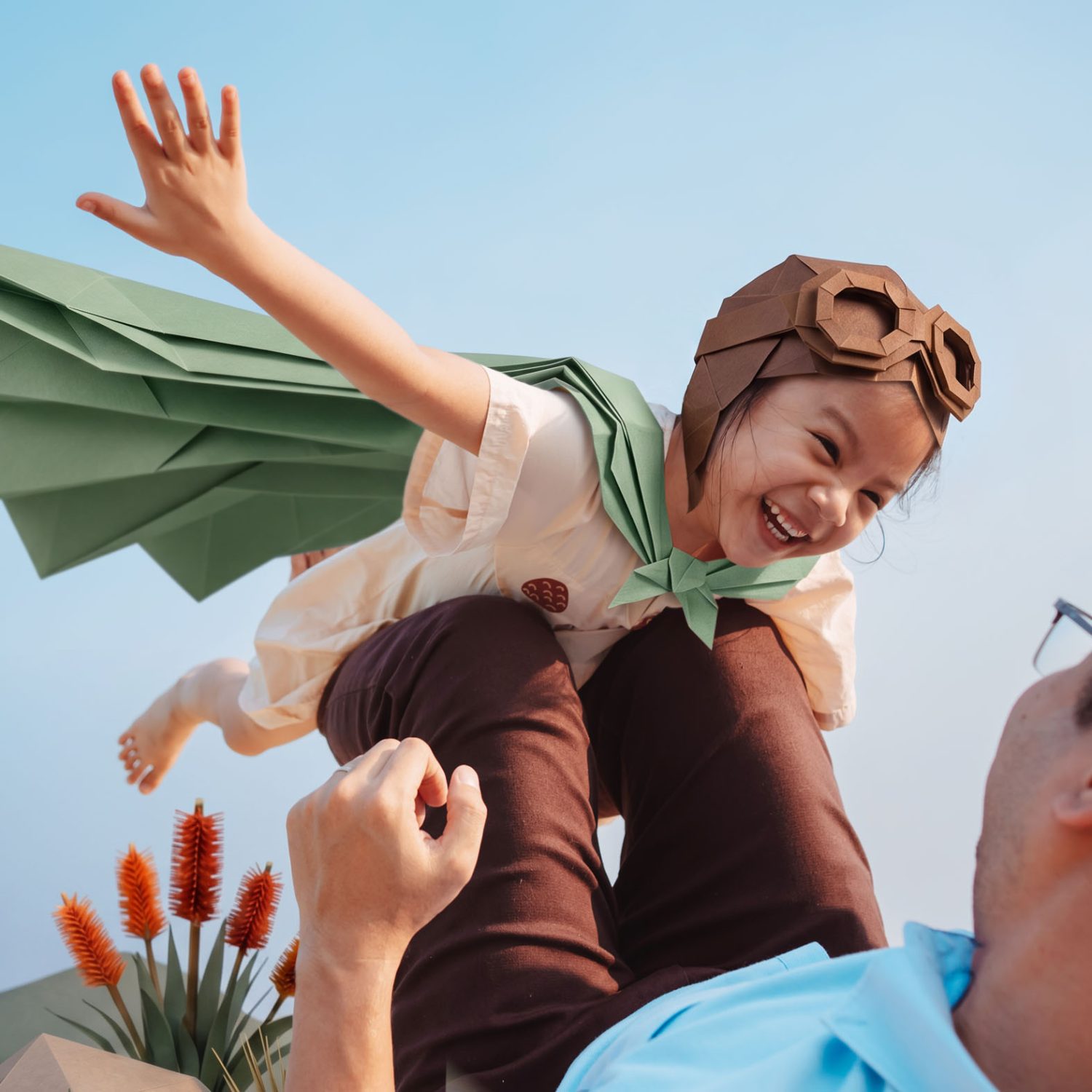

Language, culture and connection
Whether Mandarin is part of your family’s heritage or a new journey of discovery, we nurture children’s curiosity and love of language from the very beginning.
Is becoming bilingual possible?
A journey that begins with connection
A question many families ask — and the answer is yes. When language is introduced with care and consistency in early childhood, children are naturally able to grow in more than one language.
The early years are a remarkable time for language learning. Through regular exposure and meaningful interactions, children can develop understanding and confidence in both languages without pressure or confusion. Rather than competing, languages enrich a child’s communication, thinking and sense of connection.
Every child’s bilingual journey is unique. Some children may begin speaking both languages confidently from an early age, while others may first observe, listen and gradually respond over time. Both pathways are natural and valued.
At Tzu Chi Early Learning, our focus is not on performance or perfection, but on creating familiarity, comfort and joyful learning experiences that support lifelong language development.
We see bilingual learning as a journey of growth, belonging and discovery — where every child feels supported, included and encouraged to learn at their own pace.
How it Works
Education and play, in two languages
Meaningful language learning grows through relationships, everyday experiences and a sense of belonging. This is the Tzu Chi approach.
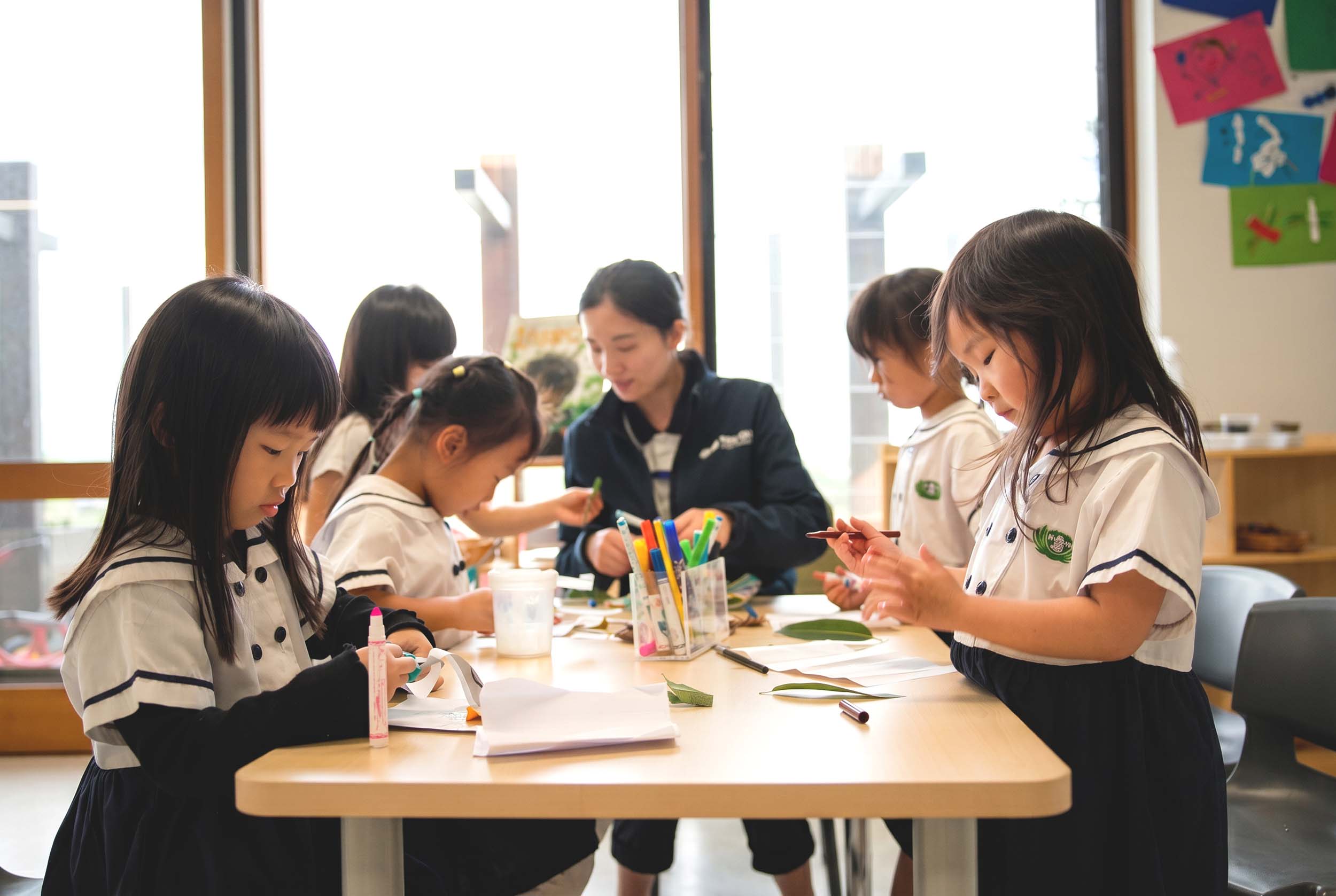
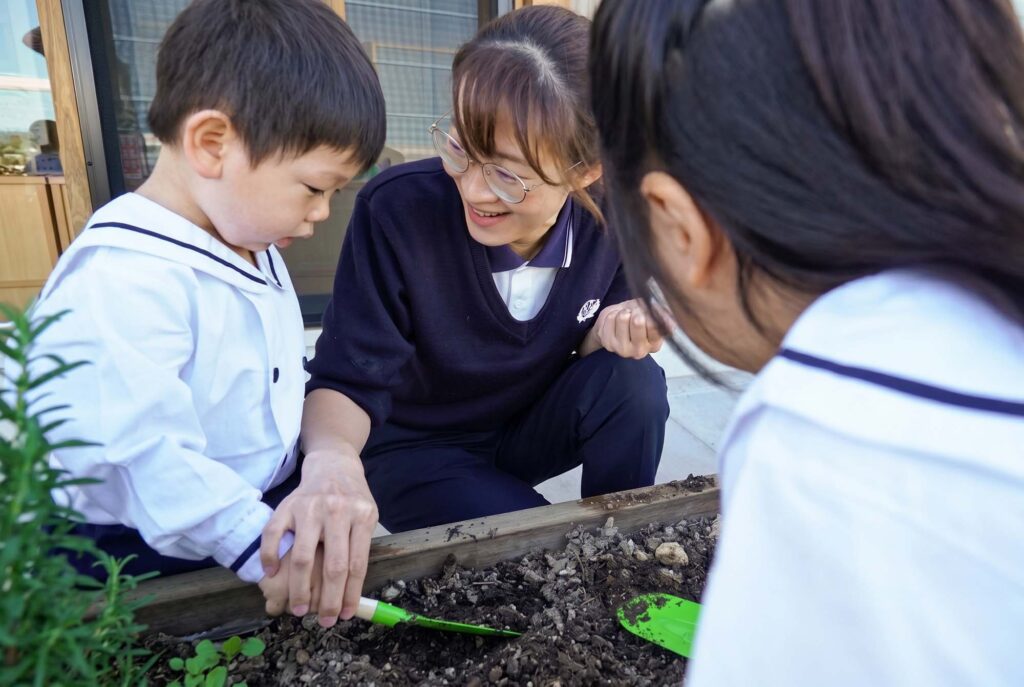
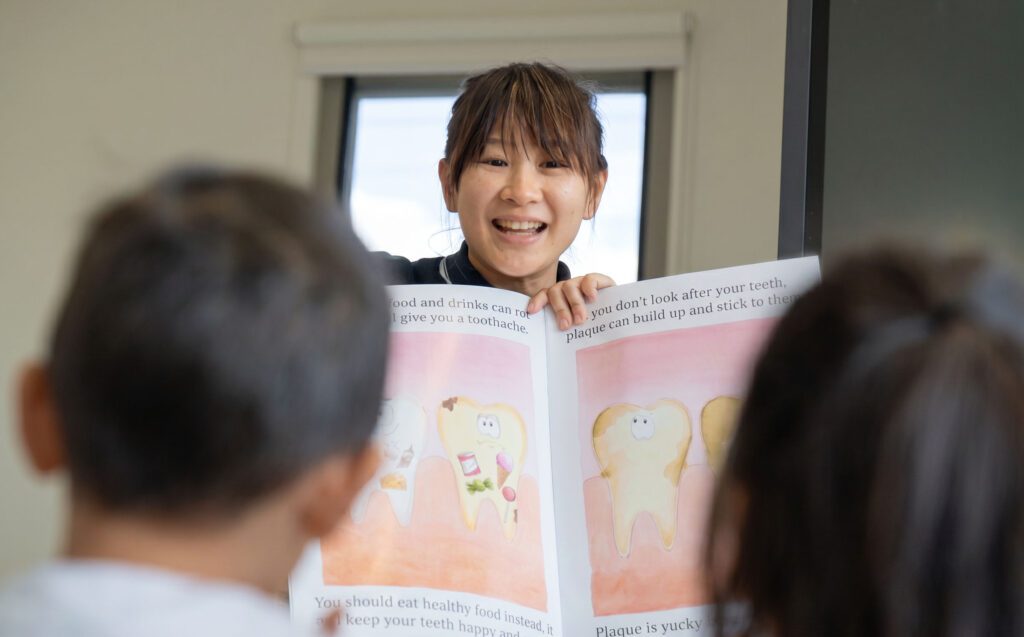
Our educators, including natural Mandarin speakers, gently weave English and Mandarin into daily routines, play and interactions. Children are never pressured to speak in a particular language. Instead, they are supported to develop language naturally — through listening, observing, engaging and communicating in ways that feel comfortable and meaningful to them.
Cognitive Development
Nurturing curious and capable minds
Bilingual learning supports more than language development — it nurtures thinking, curiosity and confidence. Research suggests that learning through two languages can strengthen memory, problem-solving and flexible thinking, helping children develop adaptable minds and a lifelong love of learning.
At Tzu Chi Early Learning, we see these abilities growing naturally through meaningful experiences, relationships and joyful discovery.

Your Questions Answered
No. Young children are highly capable of learning across languages, especially when language is introduced naturally through play, routines and relationships.
We never force it. Bilingual acquisition works through immersion, not instruction. Children absorb language passively long before they produce it actively. Trust the process — and trust your child.
Not at all. Children can still benefit from bilingual exposure even if Mandarin is new to the family.
No. The environment is designed to be welcoming and valuable for bilingual, multicultural and English-speaking families alike.
Children are far more capable of managing multiple languages than adults tend to assume. Many of our families are already multilingual at home, and bilingual immersion at Tzu Chi adds beautifully to that linguistic richness rather than competing with it.
That’s completely normal. Language development looks different from child to child, and educators support participation in encouraging, age-appropriate ways.
Rather than a fixed ratio, we follow a natural immersion model where both languages are present throughout the day in contextually meaningful ways. The balance shifts depending on the activity, the group and the educators present. Children are never excluded or disadvantaged by either language.
No. Our approach is immersion-based, not assessment-based. Language development is observed and documented as part of each child’s broader learning journey, but we do not test or formally assess language performance. The goal is confident, natural bilingual ability — not scores.
Yes. We love involving families in the bilingual experience. Cultural celebrations, family events and regular communication keep parents connected to the language journey their children are on. We also share simple Mandarin words and phrases with families so the learning can extend gently into home life.